


Step 1
Baseline and compliance review.
We assess your current position including:
- Energy usage and costs
- Existing infrastructure
- Review your carbon footprint
- Compliance requirements (ESOS, SECR, Net
Zero targets)


Net Zero is not only a compliance requirement, it is an engine for growth. The UK has committed to net zero by 2050 under the UK Climate Change Act 2008 and regulation is tightening quickly.
Businesses face increasing pressure from ESOS, SECR , MEES, investor expectations and industry net zero commitments.
Organisations with emission reduction strategies reduce costs, secure funding, increase resilience and become preferred suppliers.
Barton Knight has teamed up with sustainability experts Eqonic Sustainability to support clients from commercial sectors, Local Authorities, Multi-Academy Trusts and housing associations. We deliver end-to-end energy and sustainability strategies by offering:
Our approach ensures your organisation not only understands its carbon footprint, but has a clear, commercially viable plan to reduce it.
Baseline and compliance review.
We assess your current position including:
Carbon and energy strategy.
We develop a tailored roadmap covering:
Commercial and financial modelling.
We ensure your strategy is deliverable with:
Project delivery and ongoing support.
We design and install:







In your free consultation, we will:
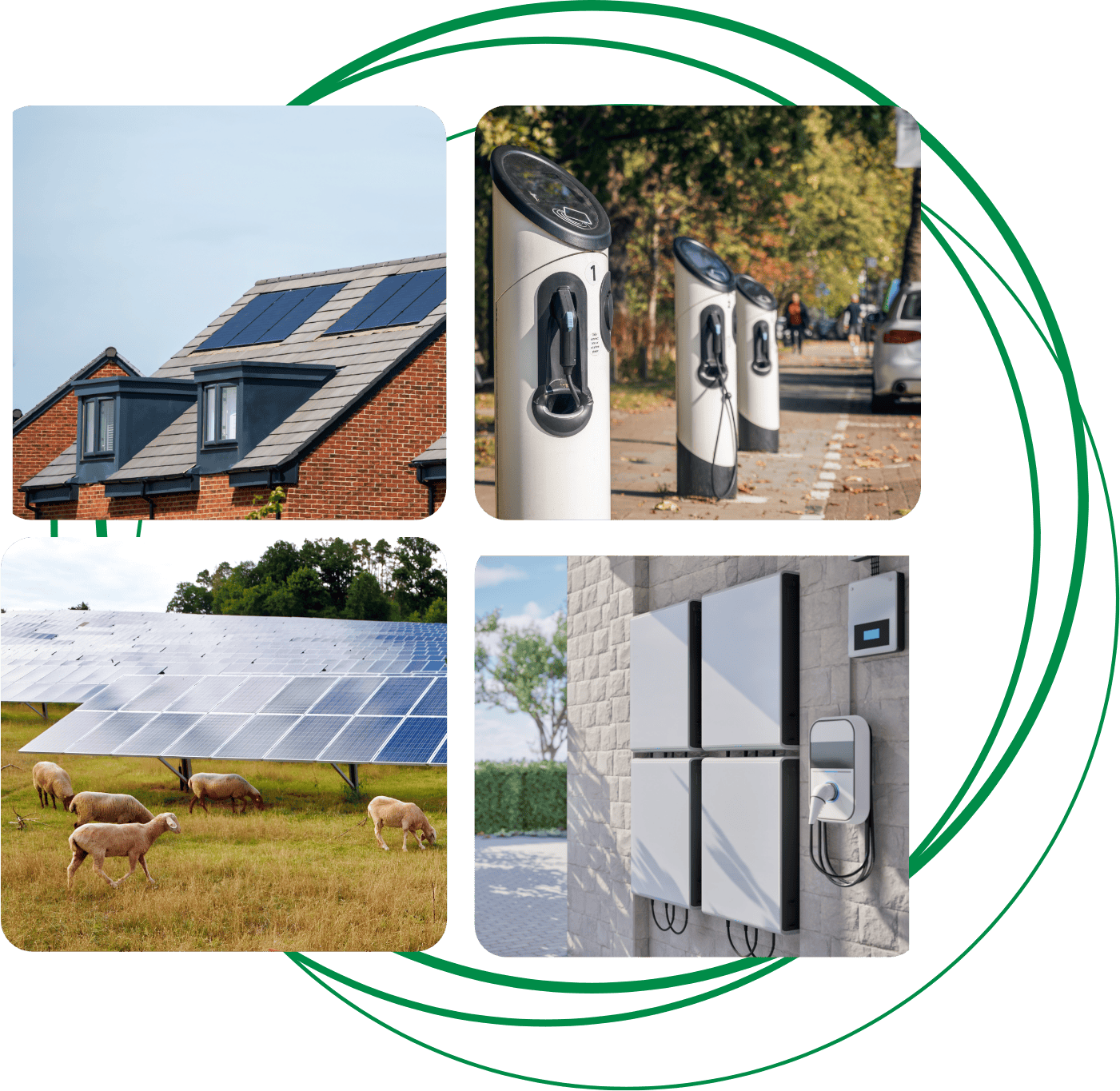

Why work with Barton Knight Energy?
Unlike many providers who focus purely on installation, we deliver end-to-end energy and sustainability strategies:
✔ Reduce operational energy costs
✔ Deliver measurable carbon reduction
✔ Improve asset value and resilience
✔ Unlock funding and investment opportunities
✔ Meet ESOS, SECR and emerging ESG requirements

Chris Saville, Balfour Beatty PLC
"We have worked with Barton Knight for several years on a range of public sector projects. Barton Knight has always impressed in their ability to deliver on time and to specification, even on challenging engagements."

Rated 10/10 on Checkatrade
Homeowner based in SM5
“10/10 - unobtrusive EV charger. The installers did an excellent job - turned up when they said they would, worked hard all day without a break and installed everything exactly where I wanted it despite various challenges and claustrophobic conditions. The company also went the extra mile to get the unobtrusive unit I wanted, which other companies had found impossible.”
Rated 10/10 on Checkatrade
Sonia Gallaway, Grange Management Southern Limited
“Just wanted to feedback how grateful I am for the wonderful customer service I always receive from Barton Knight… quite frankly I don’t know how we survived without you!”
Rated 10/10 on Checkatrade
R S Narine (Kumar), Head of Maintenance, Queens Court Care Home
“I have found Barton Knight are prompt and always deliver what is promised. The staff are polite, friendly, confident and always provide a first-time fix to any of our repairs or upgrades.”
Rated 10/10 on Checkatrade
Barton Knight Energy is committed to the highest standards of quality, safety and compliance across all our projects.
As an NICEIC Approved Contractor, we are regulated by the UK’s leading voluntary register of electrical businesses, with our work independently assessed against rigorous technical standards. We are also a Constructionline Gold accredited contractor, meeting enhanced PAS 91 requirements and validated as ‘Deemed to Satisfy’ under SSIP, including compliance with the Common Assessment Standard (CAS).
Our membership of the Electrical Contractors Association, and Safe Contractor Approval further demonstrates our commitment to safe, ethical and financially robust operations.
In addition, we hold a range of specialist renewable energy accreditations. These include MCS certification for small-scale technologies such as solar PV, battery storage and heat pumps, as well as membership of the Renewable Energy Consumer Code (RECC). We are also proud to be a Trusted Partner of Octopus Energy, reflecting our expertise in delivering high-quality, future-focused energy solutions.
...
...

...
...

...
...

...
...
...